
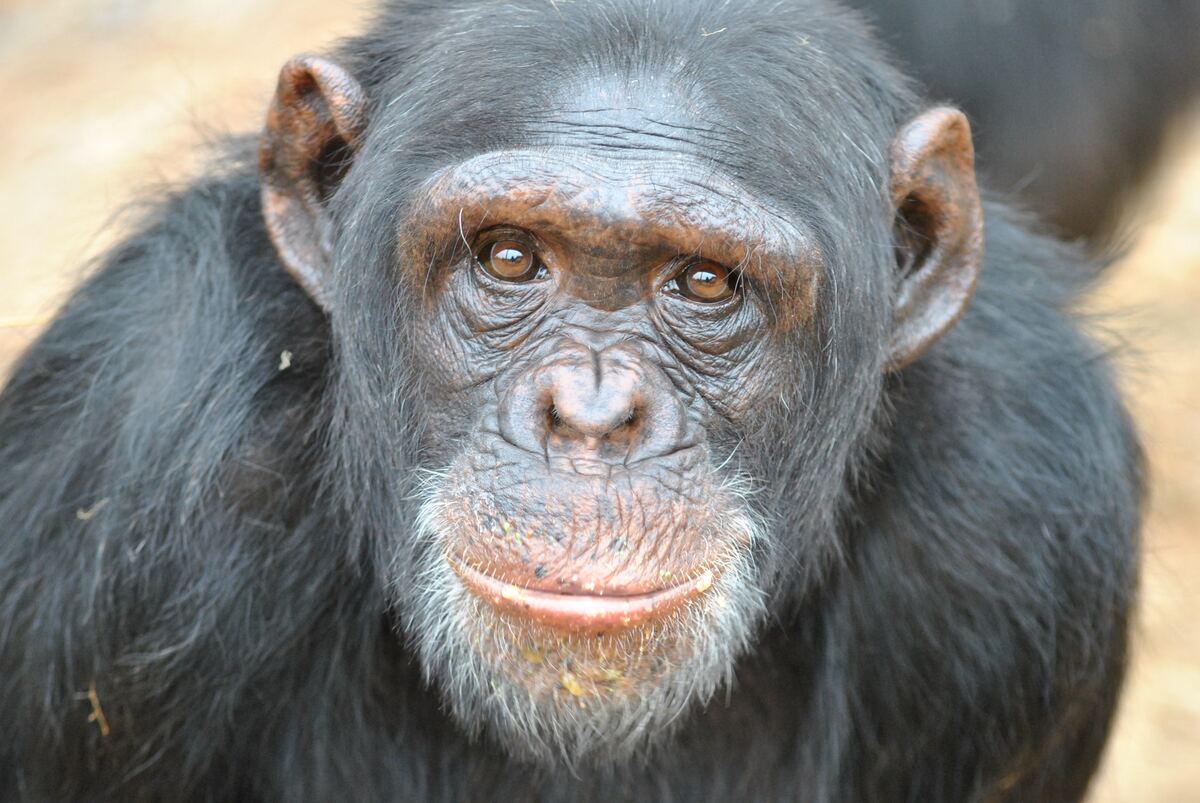
Gombe Stream National Park is a remarkable protected area located in the western part of Tanzania, along the eastern shore of Lake Tanganyika. It covers an area of approximately 52,000 hectares and is renowned for its rich biodiversity and its pivotal role in primate research. The park, which was established in 1968, is best known for being the site where Dr. Jane Goodall conducted groundbreaking studies on chimpanzee behavior, particularly focusing on their social structures, tool use, and communication methods. This research has greatly contributed to our understanding of human evolution and the complex social lives of our closest animal relatives.
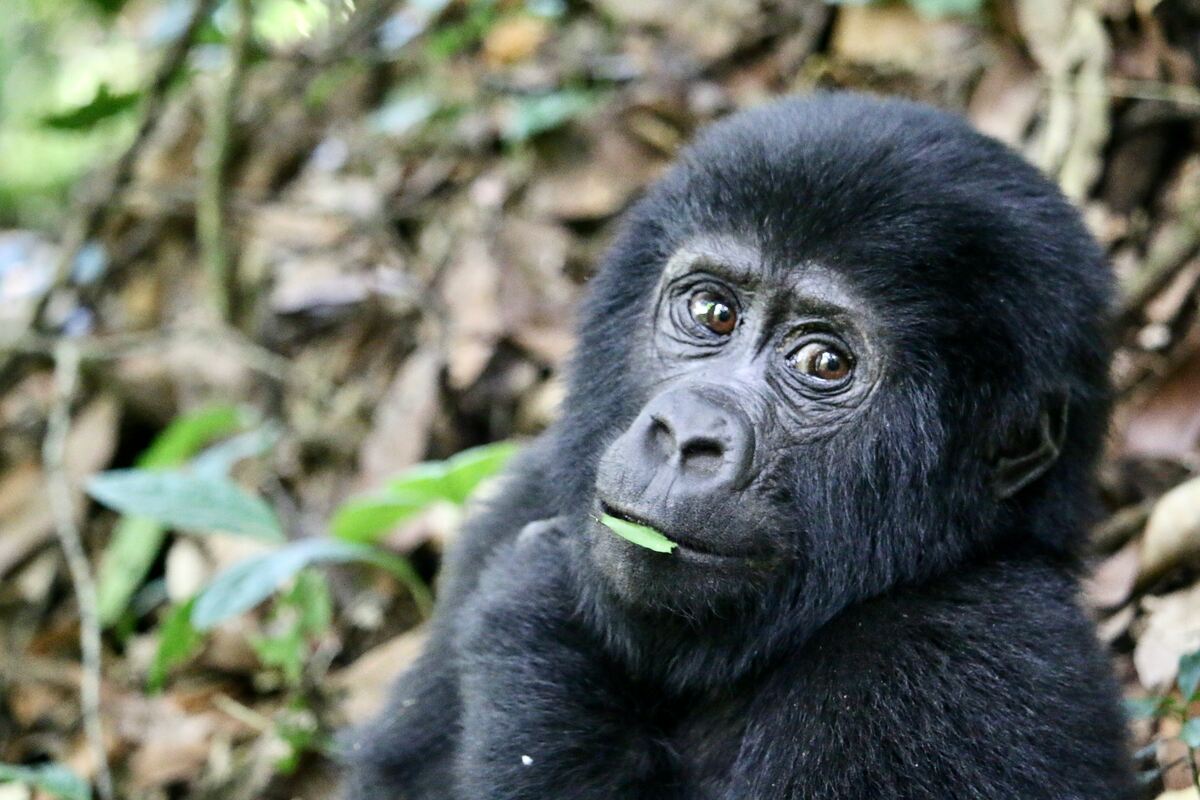
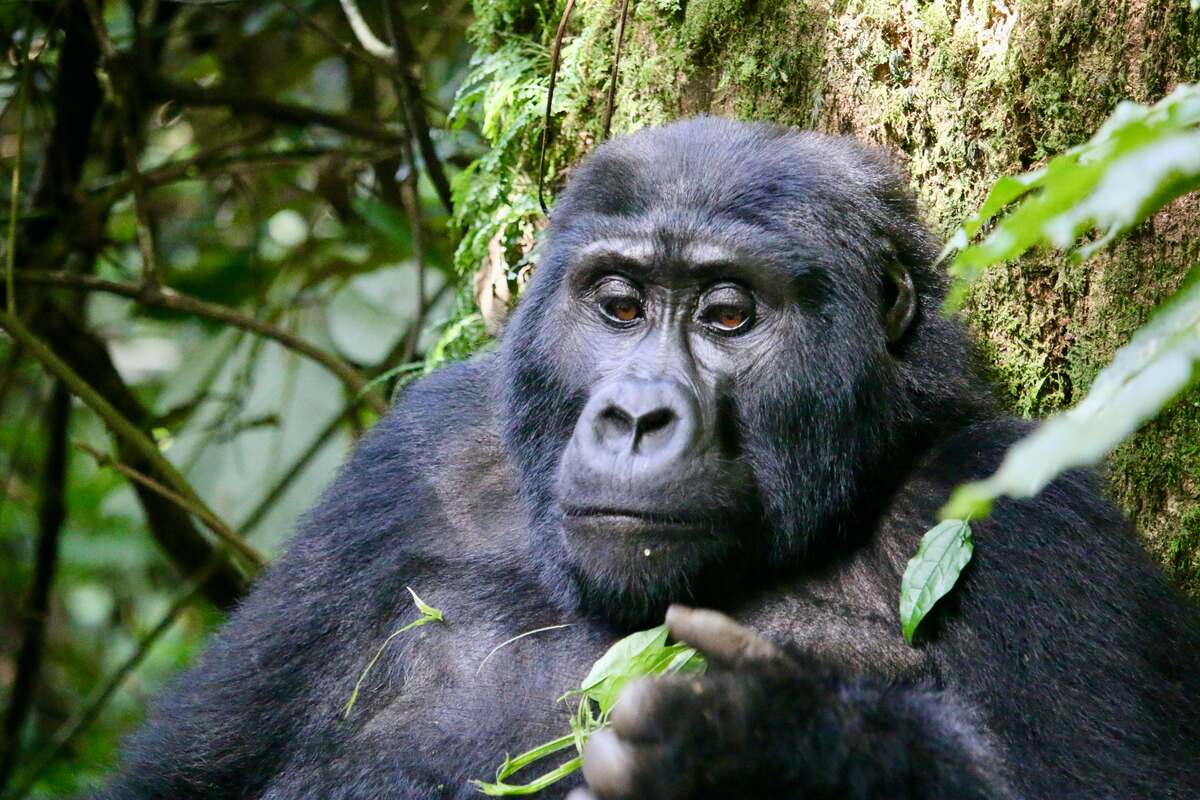
The park is primarily known for its population of wild chimpanzees, which is one of the largest in the world. These chimpanzees inhabit the lush forests and steep hills of Gombe, offering visitors a unique opportunity to observe them in their natural habitat. The park is also home to various other species, including monkeys such as red-tailed and vervet monkeys, as well as a wide range of bird species, reptiles, and amphibians. The dense forest and diverse ecosystems make Gombe a vital area for wildlife conservation and a key ecological area in Tanzania.
Aside from its chimpanzee population, Gombe Stream National Park is also celebrated for its stunning landscape. The park features steep hills, rocky outcrops, and deep valleys, with views over the crystal-clear waters of Lake Tanganyika. The terrain can be challenging for visitors, with hikes through dense forest and along steep ridges, but the rewards include sightings of wildlife and incredible views. The park’s natural beauty makes it a destination for eco-tourism and wildlife enthusiasts who seek an immersive and off-the-beaten-path adventure.
The Gombe Stream ecosystem is rich in plant life, with a combination of tropical forests and coastal vegetation. The park is home to a variety of tree species, including mahogany, fig trees, and various types of bamboo. These plants provide both food and shelter for the animals in the park. The biodiversity of the park is of global significance, not only because of its chimpanzee population but also because of its role in protecting the Lake Tanganyika watershed, which is a critical freshwater source for the region.
In recent years, Gombe Stream National Park has faced conservation challenges, including the threat of habitat loss due to human encroachment, as well as climate change impacting the forest ecosystem. However, continued efforts to protect the park, including research initiatives, sustainable tourism practices, and conservation awareness, have been crucial in preserving this unique area. Gombe remains one of Tanzania’s most valuable parks, both as a scientific research site and as a haven for wildlife, playing a critical role in both conservation and the study of primates.
Whether it’s your first safari or one of many, let us turn your travel dreams into reality. With Parks Frontiers and Safaris, your journey promises to be more than a trip—it’s a lifelong memory waiting to unfold.
CONTACTS
WE ACCEPT:


TOURS AND SAFARIS
TREKKING TOURS
COMPANY
Copyright © 2025. Parks Frontiers
Privacy Policy | Terms and Conditions