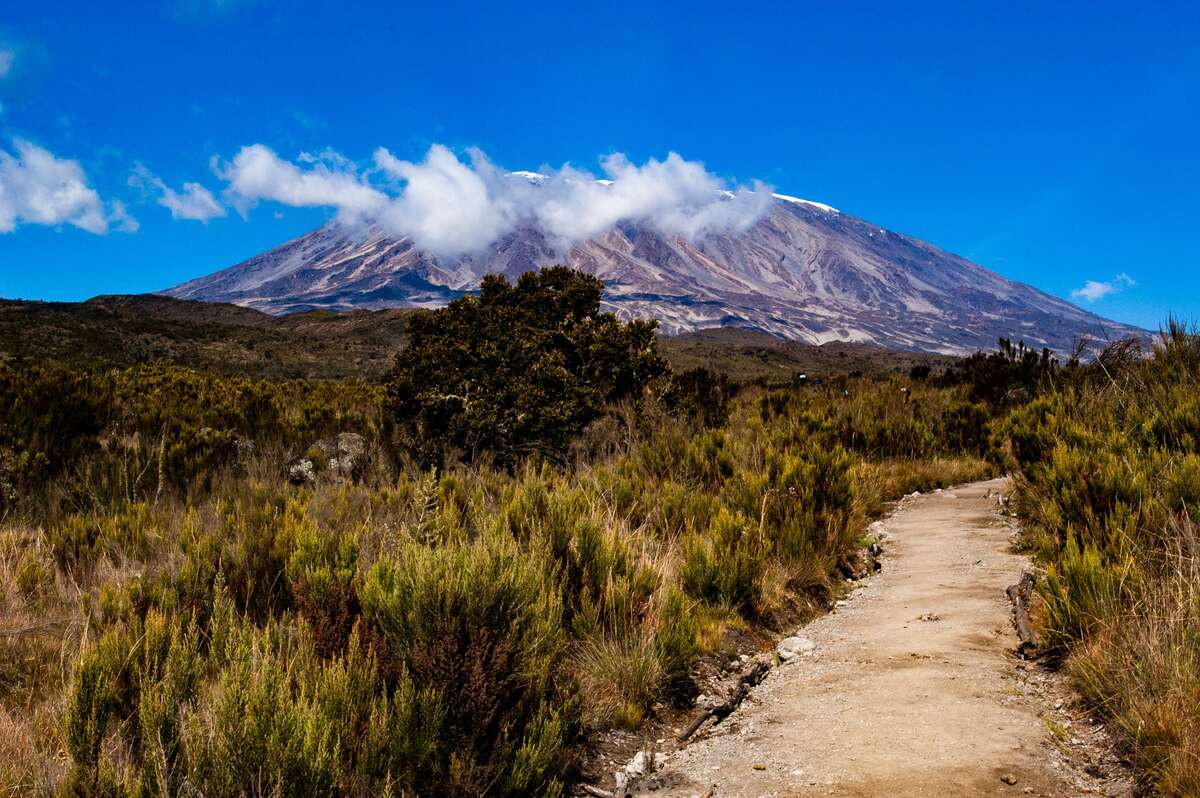
Mount Kilimanjaro National Park, located in Tanzania, is one of the most iconic natural sites in the world. It encompasses Mount Kilimanjaro, the tallest mountain in Africa, standing at 5,895 meters (19,341 feet) above sea level. This UNESCO World Heritage Site is renowned not only for its towering height but also for its unique ecosystems and breathtaking beauty. The park is a haven for hikers, climbers, and nature enthusiasts, offering a once-in-a-lifetime opportunity to explore diverse landscapes, ranging from tropical rainforests to alpine deserts and glaciers.
The park’s most famous feature is Mount Kilimanjaro itself, a dormant stratovolcano with three main volcanic cones: Kibo, Mawenzi, and Shira. Kibo, the highest peak, is the ultimate destination for climbers. Kilimanjaro’s snow-capped summit, although rapidly retreating due to climate change, remains a striking symbol of Africa’s natural grandeur. The mountain draws thousands of climbers each year, who embark on various routes like the Marangu, Machame, and Lemosho paths, each offering different experiences of the landscape and wildlife.
Kilimanjaro National Park is also home to a remarkable range of flora and fauna. Its lower slopes are covered with lush rainforests, teeming with wildlife such as elephants, buffaloes, and monkeys. Higher up, the vegetation transitions into heath and moorland, where unique species like the giant ground pangolin and the elusive leopard may be found. The upper reaches of the mountain, above the treeline, are largely barren but provide home to hardy animals like the mountain chameleon and the occasional snow leopard. Bird watchers are also drawn to the park, with species like the endangered alpine chat and the Hartlaub’s turaco found in its diverse habitats.
Ecologically, Mount Kilimanjaro plays a significant role in the region. Its glaciers and ice fields, which are rapidly shrinking due to global warming, are critical water sources for local communities. The mountain’s unique vertical ecosystems create distinct zones that support various plant and animal species, making it a hotspot for biodiversity. However, conservation efforts are increasingly necessary to protect this fragile environment from threats such as deforestation, poaching, and the effects of climate change.
In addition to its ecological importance, Mount Kilimanjaro National Park is a popular cultural and spiritual site. It is revered by the Chaga people, who have lived on its slopes for centuries, and the mountain features in various local myths and legends. Its presence is also central to Tanzania’s identity and tourism industry, contributing significantly to the country’s economy. For many, summiting Kilimanjaro is not only a physical achievement but also a spiritual journey, offering profound personal experiences amidst one of the world’s most awe-inspiring natural wonders.
One of the main attractions of Kitulo National Park is its incredible floral diversity. The park is home to more than 350 species of plants, with an emphasis on orchids, lilies, and other herbaceous plants. These flowers are in full bloom during the rainy season, creating a stunning and colorful landscape. The park has been recognized as a UNESCO World Heritage Site for its unique and rare botanical diversity, particularly its high concentration of orchids, which are rare in East Africa.
In addition to its floral beauty, Kitulo National Park is a significant area for wildlife. It provides a sanctuary for various animal species, including the endangered blue monkey, as well as several species of antelope such as the eland, reedbuck, and impala. Birdwatchers flock to the park due to the presence of rare species, including the violet-crested turaco and the African snipe. The park’s location also makes it an important migratory route for certain species of birds.
Kitulo is also known for its unique highland grasslands and wetlands, which support a range of animal and plant life. The park features a variety of landscapes, including rolling hills, valleys, and marshes, which are home to many species that depend on the wetland ecosystems. These wetlands are crucial for water purification and support the livelihoods of local communities.
Though Kitulo National Park remains relatively remote and less visited compared to other Tanzanian parks like Serengeti or Ngorongoro, its ecological significance is unmatched. Conservation efforts are crucial in preserving the delicate ecosystems within the park, as it faces threats from climate change and human activities such as grazing and agriculture. Overall, Kitulo offers an exceptional opportunity to explore East Africa’s natural beauty and biodiversity, making it a hidden gem for nature enthusiasts.
Whether it’s your first safari or one of many, let us turn your travel dreams into reality. With Parks Frontiers and Safaris, your journey promises to be more than a trip—it’s a lifelong memory waiting to unfold.
CONTACTS
WE ACCEPT:


TOURS AND SAFARIS
TREKKING TOURS
COMPANY
Copyright © 2025. Parks Frontiers
Privacy Policy | Terms and Conditions